The History of Cryptocurrency :
Long before Bitcoin, the idea of digital currency had already been explored. In the 1980s, David Chaum introduced DigiCash, one of the earliest attempts at creating private digital money.

During the 1990s, a group known as the Cypherpunks believed cryptography could give individuals financial freedom and privacy. From this movement came several important ideas:
- b-money by Wei Dai
- Bit Gold by Nick Szabo
Despite their innovation, these systems failed to fully solve the problem of double spending, which prevented them from becoming widely adopted.
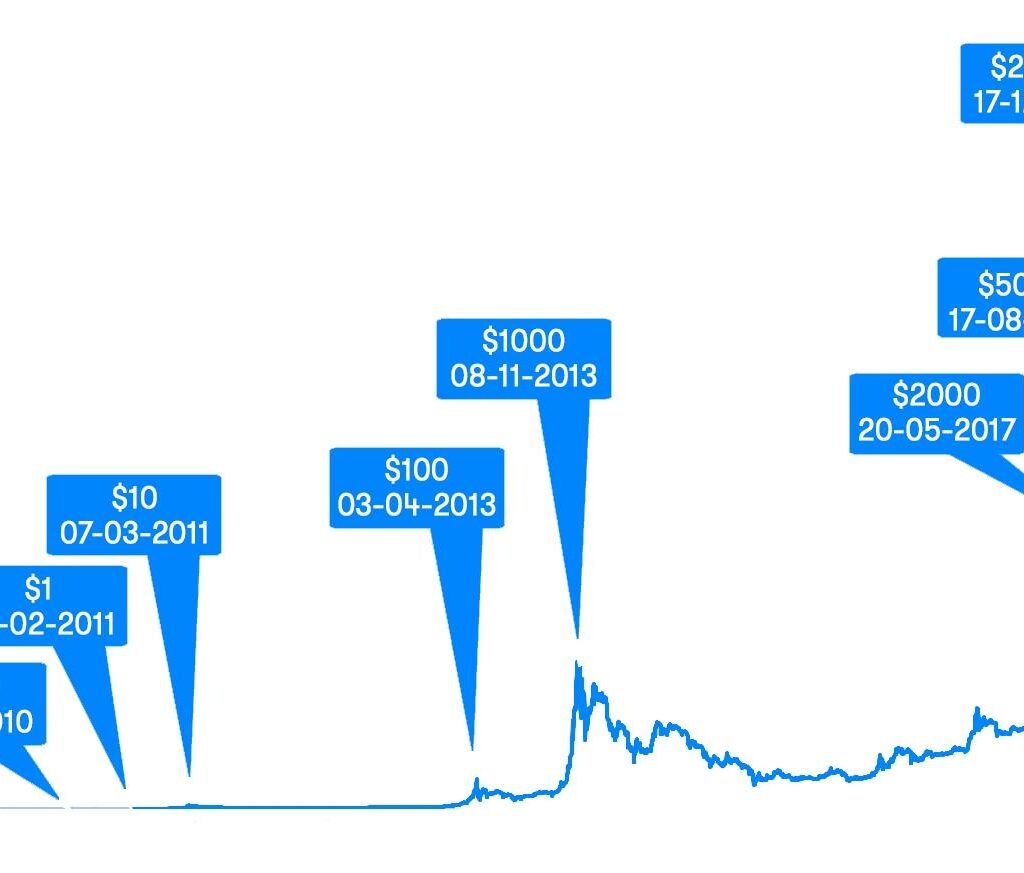
In 2008, an anonymous figure known as Satoshi Nakamoto released the Bitcoin whitepaper.
In 2009:
- The first block, known as the Genesis Block, was mined
- Bitcoin became the first functioning decentralized digital currency
Its key innovation was the blockchain, a system that removed the need for a central authority and ensured transparency and security.
In 2010, Bitcoin was used in a real-world transaction for the first time when someone bought pizza with 10,000 BTC. This event became symbolic of Bitcoin’s early days.
At the same time:
- Exchanges like Mt. Gox emerged
- Bitcoin began to gain a market price
This marked the transition from an experiment to a tradable asset.
During this period:
- Bitcoin reached new highs, then crashed
- Mt. Gox suffered a major hack and shut down
There were also controversies:
- Bitcoin was used on platforms like Silk Road
- Governments began paying closer attention
These events damaged trust but also pushed the industry toward more structure and regulation.
In 2015, Vitalik Buterin launched Ethereum.
Ethereum introduced:
- Smart contracts, which automatically execute agreements
- A wave of ICOs, allowing new projects to raise funds
This expanded crypto beyond simple payments into a full ecosystem of decentralized applications.
In 2017:
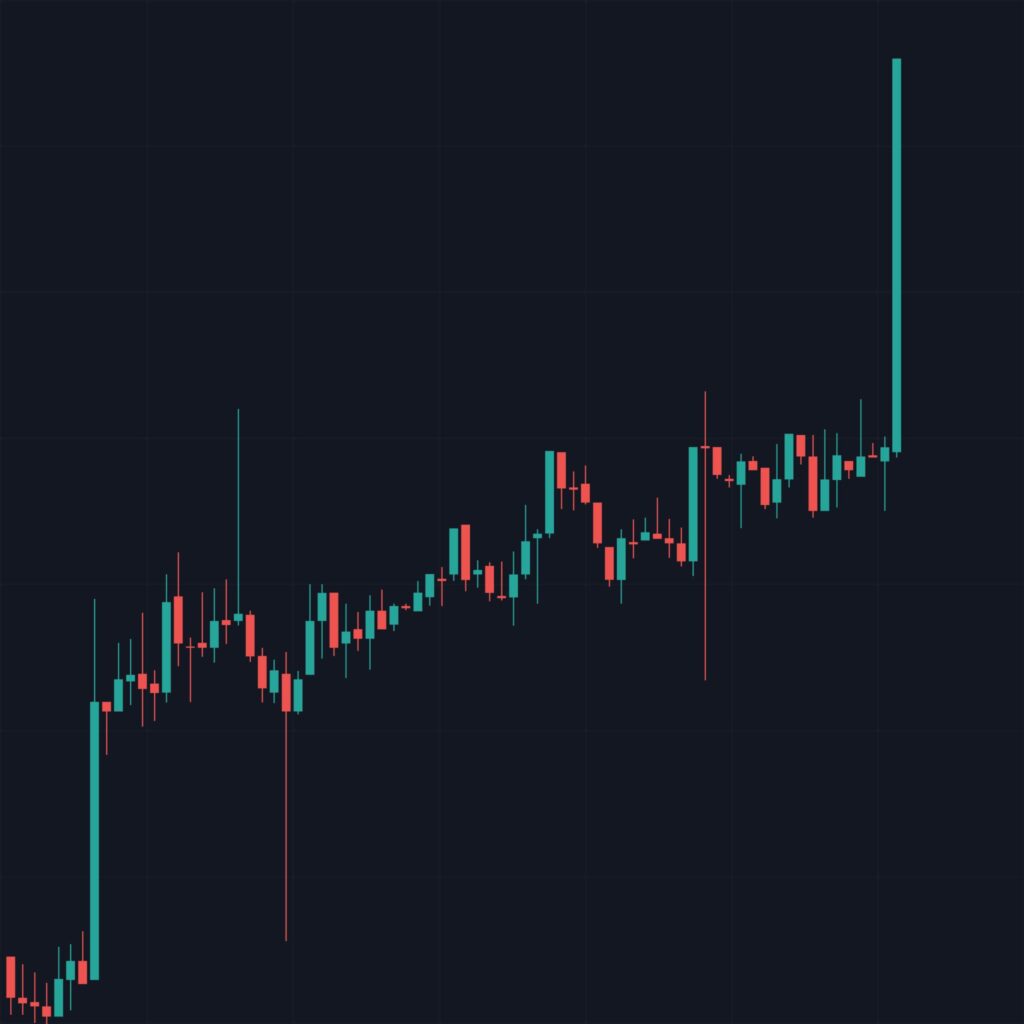
- Bitcoin surged to nearly 20,000 dollars
Between 2020 and 2021:
- Institutional investors entered the market
- Major companies began buying Bitcoin
New trends also emerged:
- NFTs
- Meme coins like Dogecoin
Crypto became a mainstream topic worldwide.
The market experienced a major downturn:
- FTX collapsed
- Billions of dollars were lost
This period revealed:
- The high risk of crypto markets
- The need for stronger regulation and transparency
Today:
- Cryptocurrency is part of the global financial system
- Developments include Bitcoin ETFs and central bank digital currencies
Looking ahead:
- Regulation is increasing
- Blockchain technology continues to expand into new industries
Today, cryptocurrency has become one of the most significant opportunities in the world of finance.
It represents a new financial system that operates without relying on banks or governments, offering a level of independence that traditional systems cannot match.
Many people now see crypto as the future of global money.
It allows users to send and receive funds anywhere in the world quickly and without complicated processes.
This simplicity and accessibility have made it especially attractive to a new generation of investors.
At the same time, cryptocurrency has opened the door to entirely new forms of investment.
Early adopters have seen remarkable returns, and even today, opportunities still exist for those who understand the market.
Behind all of this is blockchain technology, which brings transparency, security, and trust to digital transactions.
In regions where banking services are limited or unavailable, crypto has become a practical solution.
It empowers individuals to take control of their finances in ways that were not possible before.
As more companies and institutions begin to accept cryptocurrency, its role in the global economy continues to grow.
However, this opportunity comes with real risks.
The market is highly volatile, and prices can change rapidly within a short time.
Anyone entering this space must be willing to learn, stay informed, and approach it with caution.
The potential rewards are significant, but so are the possible losses.
Success in crypto depends not on luck, but on knowledge, timing, and discipline.
In the end, cryptocurrency stands as both an opportunity and a challenge.
For those who take the time to understand it, it offers a chance to be part of a financial transformation that could redefine the future.
⚖️ Conclusion
Cryptocurrency is more than just digital money. It represents:
- A technological shift
- A new financial system
- A challenge to traditional institutions
At the same time:
- It remains highly volatile
- It carries significant risk
Understanding its history is essential for anyone trying to make sense of where it is headed next.
